How Does Attachment-Based Therapy Work?
Attachment-based therapy grew out of British psychiatrist John Bowlby's research into how infants bond with their primary caregivers, and how that early bond becomes the template for relationships in adulthood. Bowlby described four broad attachment styles: secure, anxious, avoidant, and disorganized. He showed how a shaky start can leave someone fearful, insecure, or emotionally shut down later in life. In therapy, this understanding becomes a practical roadmap rather than just theory.
A session typically starts by getting a clear picture of your history. Your therapist will ask about your relationship with parents or caregivers growing up, key moments that shaped how safe (or unsafe) closeness felt, and how those patterns show up in your relationships today. From there, the therapist helps you build a genuinely trusting relationship in the therapy room itself, because that secure connection is often the first place real change happens. Over time, this experience helps you communicate more openly, regulate difficult emotions, and form healthier bonds with a spouse, a parent, a child, or a close friend. Attachment-based therapy is available for individuals, couples, and families, and it's often combined with approaches such as CBT or mindfulness-based therapy for a more complete plan.
Core Principles of Attachment-Based Therapy:
- Understand your attachment style and how it drives your reactions in close relationships
- Rebuild a felt sense of safety and trust, starting with the therapeutic relationship itself
- Process childhood experiences with a caregiver without shame or judgment
- Connect present-day relationship struggles back to earlier attachment patterns
- Practice new, healthier ways of communicating needs and emotions
Services offered
We offer counseling, therapies Techniques, and educational support. Our programs enhance skills, provide emotional guidance, and promote mental health awareness for individuals seeking growth and healing in a safe environment.

Counseling
Professional counseling services to help you overcome psychological challenges.
.webp)
Counsellings with Using Therapeutic Approaches
Evidence-based therapy Informed approaches tailored to your unique needs.

Educational
Informative online lectures, webinars, and workshops to enhance your understanding of mental health.
Meet the Psychologists
Meet the practitioner psychologists in Islamabad, committed to exceptional client care and support to our clients across Pakistan.
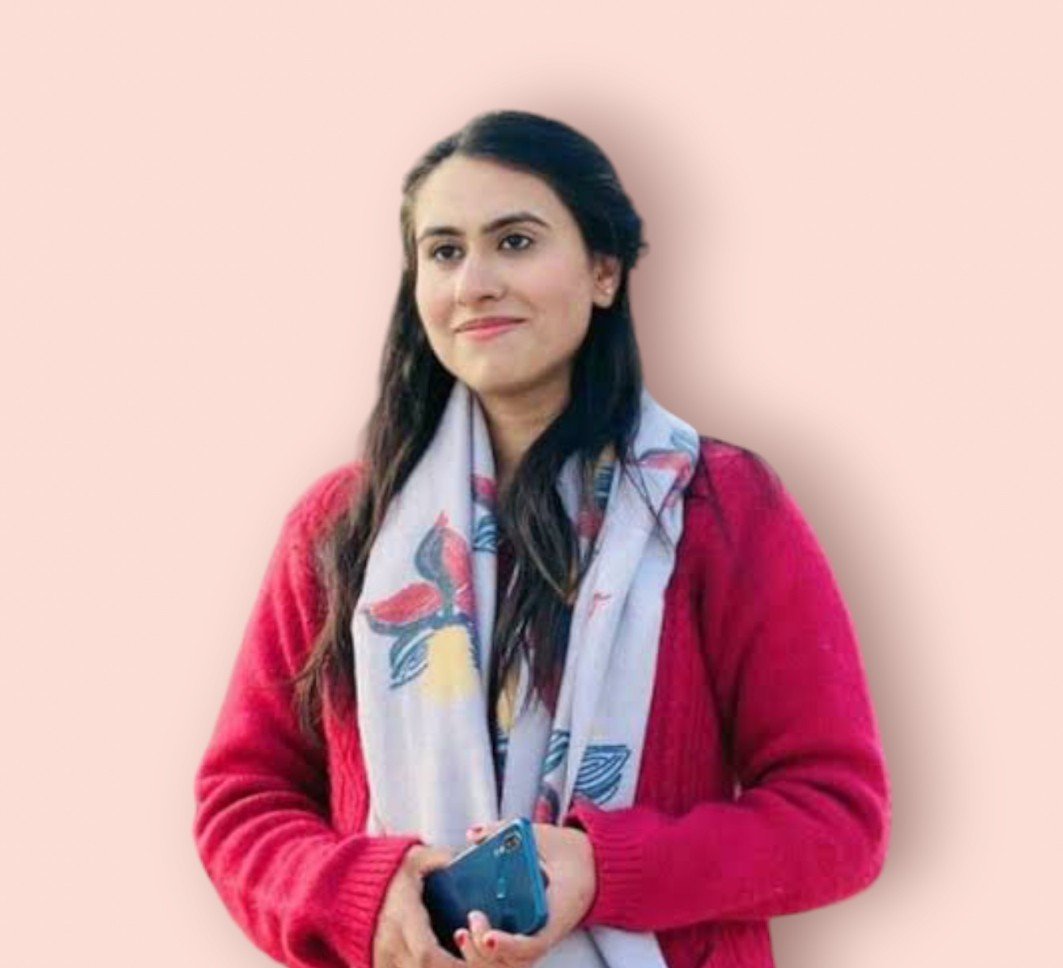
Ms. Anum khan
I am Anum Khan, an experience licensed Psychologist in Islamabad and founder of Psychological Wellbeing, offering online counseling using therapy approaches.
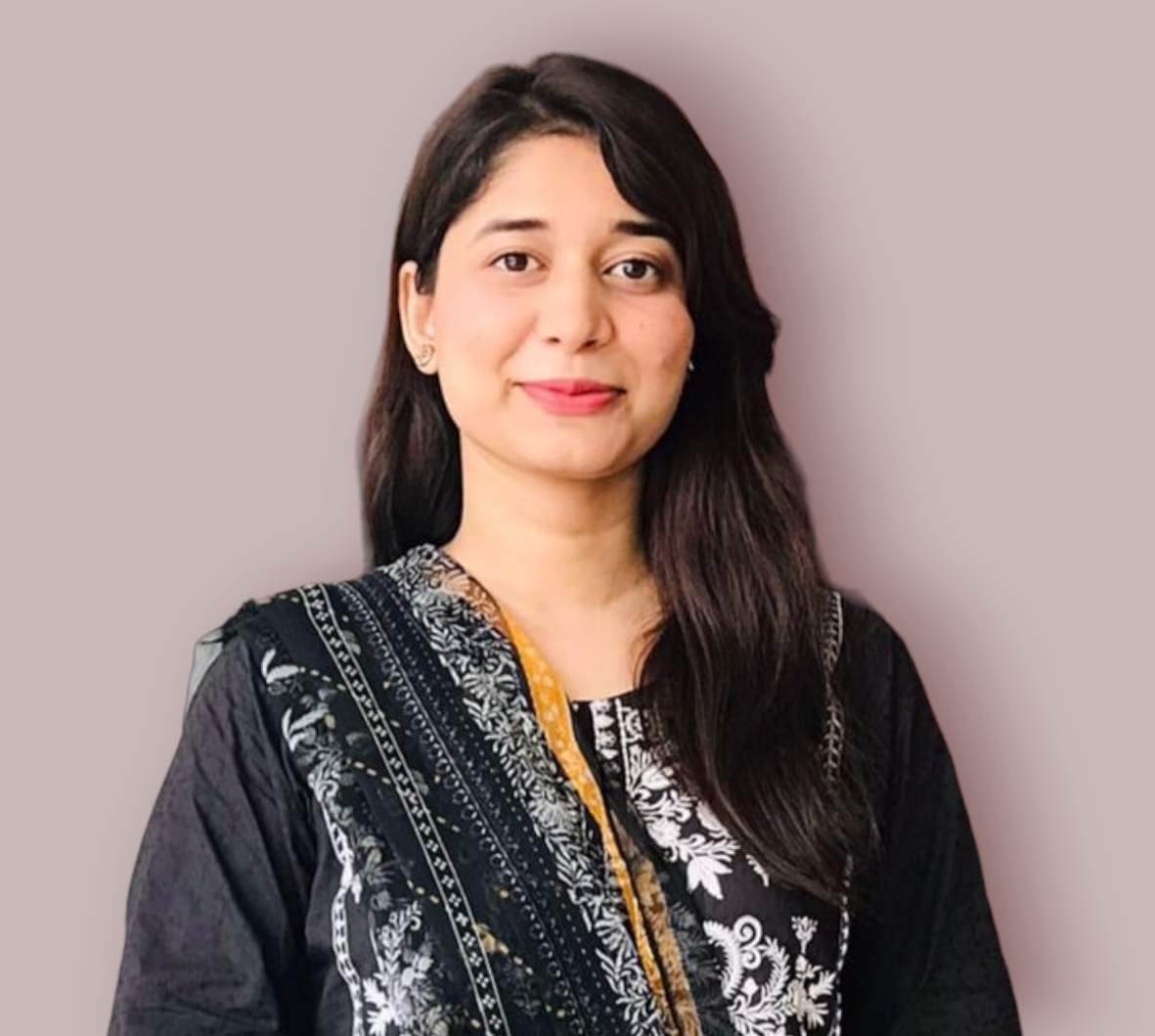
Ms. Aqsa Ijaz
Ms. Aqsa is a counseling psychologist specializing in mental health and wellbeing, including individual counseling and stress management and more..

Ms. Mehak Fatima
Ms. Mehak Fatima is a psychologist in Pakistan known for her exceptional Counseling Skills..
Meet the supportive Team
Meet the supportive Team .
Mr. Atif Zia
Mr. Atif Zia provides legal advice to the Psychologists and its clients, ensuring they receive precise guidance on legal matters and effective solutions.
Why Choose Us For Attachment-Based Therapy
At Psychological Wellbeing, we combine internationally recognized attachment therapy methods with an understanding of Pakistani family dynamics and cultural values. Here's why clients across Pakistan choose us:
Trained Attachment-Focused Therapists
Our therapists are trained in attachment theory and evidence-informed approaches, giving you care that goes beyond surface-level advice.
Personalized, Client-Centered Care
Every attachment therapy plan is built around your specific history and goals, whether you're working on individual healing or a relationship.
Confidential and Trustworthy Support
Talking about childhood and family can feel vulnerable. We protect your privacy so you can speak openly without fear of judgment.
Flexible Access Across Pakistan
Whether you're in a major city or a smaller town, our online sessions bring the same quality of attachment therapy directly to you.
Real, Lasting Change
Clients consistently report stronger relationships, better emotional regulation, and greater self-worth after working through attachment-focused care.
Frequently Asked Questions
Attachment-based therapy is an approach that looks at how your early bonds with parents or caregivers shaped your ability to trust, connect, and feel secure. A trained attachment therapist helps you understand these patterns and build healthier relationships in the present.
If you struggle to trust others, fear abandonment, avoid emotional closeness, or keep repeating the same painful relationship patterns, attachment therapy can help you understand and shift those patterns at the root.
Yes, we provide secure, confidential attachment therapy sessions for clients in Islamabad, Rawalpindi, Lahore, Karachi, Faisalabad, Peshawar, Multan, and other cities across Pakistan, as well as for Pakistanis abroad, through video consultations.
A typical session lasts between 50 minutes and one hour. Session length may be adjusted depending on whether you are attending individually, as a couple, or as a family.
This depends on your history and goals. Some clients notice meaningful shifts within a few months of consistent sessions, while deeper childhood attachment work can take longer. Your therapist will discuss a realistic timeline with you after the initial assessment.
Not at all. While attachment therapy is especially helpful for people who experienced neglect, trauma, or inconsistent caregiving, anyone who struggles to form or maintain close relationships can benefit from it.
Yes, every session is completely confidential. We follow strict ethical guidelines to protect your privacy and build the trust this work depends on.
Booking is simple. Contact us via phone or WhatsApp at [+923021900145] or email at info@thepsychwellbeing.com. We also offer online appointment scheduling for your convenience.
Our Recent Blogs:

Building and Maintaining Healthy Relationships: A Guide for Couples
Healthy relationships are the cornerstone of a fulfilling and balanced life. Whether...

The Power of Mindfulness Meditation for Mental Well-being
In today's fast-paced world, where stress and anxiety often take center stage in our lives,..
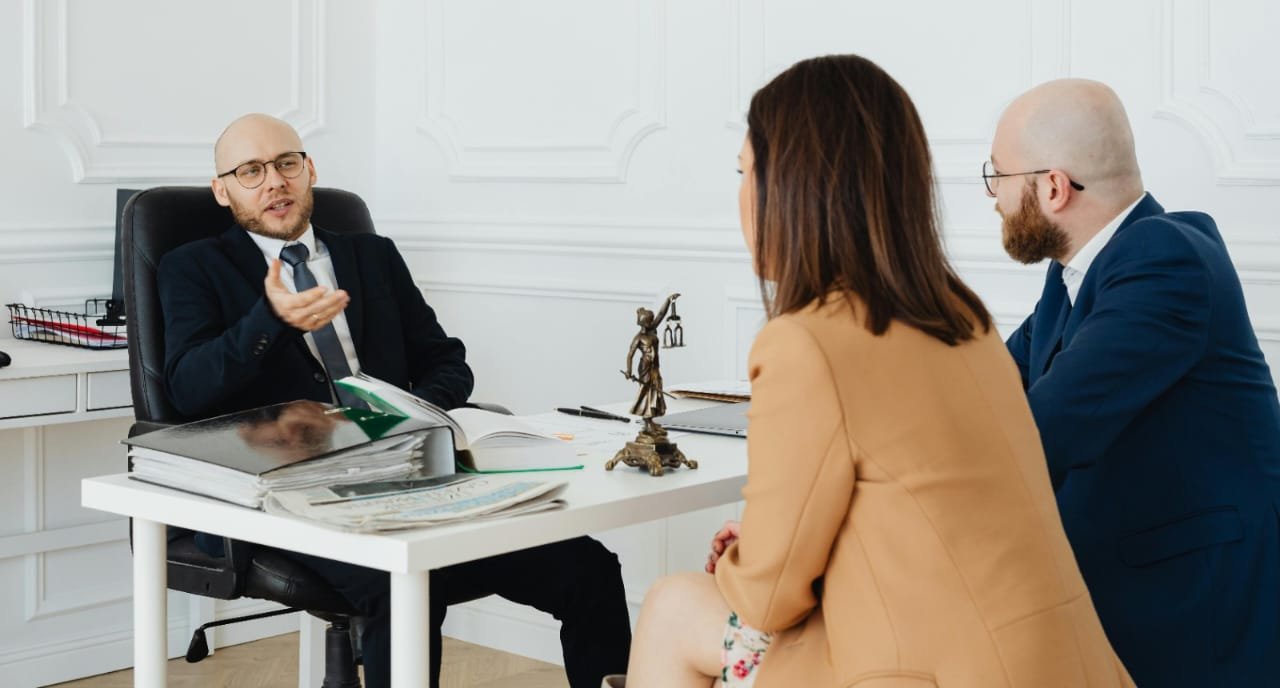
Marital Conflict Resolution in Pakistan: Legal and Mediation Options for Couples
In the rich tapestry of Pakistani society, marriages are not only a union of two individuals but..
Contact Us
Contact Details
Attachment-Based Therapy vs. Relationship Counseling vs. Individual Therapy in Pakistan
People searching for help in Pakistan often aren't sure whether they need attachment-based therapy, general relationship counseling, or individual therapy. Here's how they differ, so you can choose the right kind of support.
1. Attachment-Based Therapy in Pakistan
Attachment-based therapy focuses specifically on how your early relationships with parents or caregivers shaped your ability to trust, feel safe, and connect with others. It's especially useful if you notice the same painful patterns repeating across different relationships.
- Services Provided:
- Identifying your attachment style (secure, anxious, avoidant, or disorganized).
- Processing childhood experiences that still affect you today.
- Building a secure, trusting relationship with your therapist as a foundation for change.
- Where It Is Offered: Private clinics and online attachment therapy services across Pakistan.
2. Relationship & Marriage Counseling in Pakistan
Relationship and marriage counseling looks at the dynamic between two partners in the present, focusing on communication, conflict, and trust, rather than digging deeply into childhood history.
- Services Provided:
- Improving day-to-day communication between partners.
- Resolving specific, ongoing conflicts.
- Rebuilding trust after a breach such as infidelity.
- Where It Is Offered: Counseling centers, private clinics, and online counseling across Pakistan.
3. Individual Therapy in Pakistan
Individual therapy addresses your personal mental health and wellbeing more broadly, and may incorporate attachment work as one part of a wider treatment plan for anxiety, depression, or self-esteem.
- Services Provided:
- Managing anxiety, low mood, or stress.
- Building self-esteem and healthier coping skills.
- Exploring how past experiences, including attachment patterns, affect present functioning.
- Where It Is Offered: Clinics and online therapy platforms in Pakistan.
Which One Is Right for You?
As a general guide:
- If your relationship struggles keep repeating no matter who you're with, attachment-based therapy can help you find the root cause.
- If it's a specific conflict with your spouse or partner, relationship or marriage counseling may be the faster fit.
- If you're dealing with anxiety, depression, or low self-esteem more broadly, individual therapy is a good starting point, and it can include attachment work where relevant.
Whichever path fits you, seeking professional support in Pakistan is a meaningful step toward calmer, more secure relationships.
When Should You See an Attachment Therapist in Pakistan?
If you notice yourself pulling away whenever a relationship starts to feel serious, or panicking at the first sign of distance from someone you love, these are classic signs of insecure attachment. An attachment therapist can help you understand where this comes from and how to respond differently.
Struggling to trust people, even those who have given you no real reason to doubt them, can point to unresolved attachment wounds from childhood. Attachment-based therapy provides tools to rebuild trust gradually, at a pace that feels safe.
If your relationships tend to be short-lived, intense, and end abruptly out of fear of getting hurt, or if you find yourself constantly needing reassurance from partners and friends, attachment therapy can help you build a steadier, more secure way of relating to others.
Parents who notice repeated conflict or emotional distance with their children may also benefit from attachment-focused family therapy, which looks at strengthening the parent-child bond directly.
Major life changes — a new marriage, becoming a parent, relocating, or losing a loved one — can also stir up old attachment patterns. If you find these transitions harder than they "should" be, it may be worth exploring the attachment history underneath.
In short, if you feel stuck in the same relationship patterns again and again, or sense that your childhood is still quietly shaping your adult relationships, attachment-based therapy is a proactive, practical step toward change.
How to Choose the Best Attachment Therapist Near You in Pakistan
Whether you're in Islamabad, Lahore, Karachi, Rawalpindi, Faisalabad, Peshawar, Multan, or a smaller city, thepsychwellbeing.com makes it easy to find and book a session with a qualified attachment therapist. Simply reach out through WhatsApp or the contact form below to get matched with a therapist suited to your needs.
When choosing an attachment therapist, keep the following in mind:
- Qualifications: Look for a licensed psychologist or clinical counselor with specific training in attachment theory.
- Experience: Ask whether they have worked with concerns similar to yours, such as anxious attachment, avoidant attachment, or childhood trauma.
- Approach: Understand how they structure sessions and how they combine attachment work with other approaches like CBT or mindfulness.
- Accessibility: Decide whether you'd prefer in-person sessions in your city or the flexibility of online video sessions.
- Comfort & Trust: Since attachment work is deeply personal, it's essential that you feel safe and understood by your therapist from the very first session.