What Is Stress, and When Does It Become a Problem?
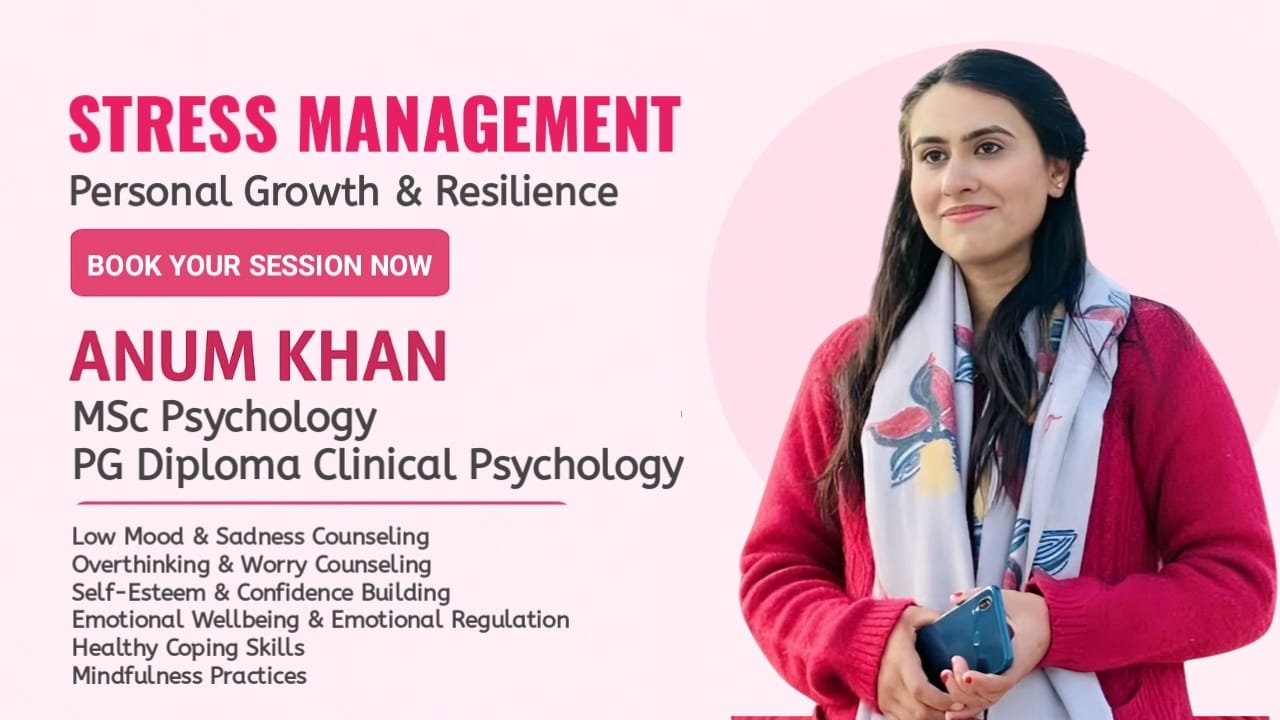
Stress is the body's natural response to pressure or perceived threat, and in small doses it can sharpen focus and motivate action. Problems arise when stress becomes chronic: work deadlines, financial pressure, relationship strain, academic demands, or health concerns can keep the body's stress response switched on for weeks or months at a time. Left unmanaged, chronic stress can affect sleep, concentration, mood, relationships, and physical health, including blood pressure and immune function. Effective stress management combines practical coping skills, lifestyle changes, and, where needed, professional support to bring the nervous system back into balance and prevent long-term consequences. We provide counseling sessions using therapy informed approaches for mananging stress. book your session today.
Contact Details
- Persistent headaches or muscle tension
- Fatigue or low energy despite adequate rest
- Irritability, restlessness, or feeling on edge
- Difficulty concentrating or racing thoughts
- Trouble falling or staying asleep
- Changes in appetite, overeating or under-eating
- Procrastination or avoidance of responsibilities
- Withdrawing from friends, family, or activities
- Increased use of caffeine, nicotine, or alcohol
- Rapid heartbeat, upset stomach, or other physical symptoms
- A persistent sense of being overwhelmed
Stress itself is not a diagnosis, but a psychologist can assess its severity and impact through a clinical interview covering sleep, mood, physical health, and life circumstances. Validated tools such as the Perceived Stress Scale (PSS) are often used to measure how overwhelming recent events feel. The assessment also screens for related conditions, such as anxiety, depression, or burnout, that can develop alongside prolonged stress.
Cognitive Behavioral Therapy (CBT)
Helps identify thought patterns that intensify stress, such as catastrophizing, and replaces them with more balanced, realistic responses, alongside practical problem-solving and time-management skills.
Relaxation & Breathing Techniques
Guided breathing exercises, progressive muscle relaxation, and grounding techniques calm the body's physical stress response in the moment.
Mindfulness-Based Stress Reduction (MBSR)
Structured mindfulness practice helps individuals notice stress triggers earlier and respond with intention rather than reacting automatically.
Lifestyle & Behavioral Changes
Regular physical activity, consistent sleep routines, realistic scheduling, and boundary-setting around work and technology are foundational to reducing chronic stress.
Medical Referral
When stress is accompanied by significant anxiety, depression, or physical symptoms, a psychologist may coordinate with a physician regarding further evaluation or medication support.
Chronic stress can often be reduced, even if everyday pressures can't be eliminated entirely. Regular exercise, consistent sleep, realistic time management, and strong social support all lower baseline stress levels. Learning to recognize early warning signs, like irritability or disrupted sleep, allows for earlier intervention before stress affects physical or mental health.
We adopt a comprehensive approach to mental health, integrating evidence-based practices with culturally sensitive techniques that respect the diverse backgrounds of our clients. In a safe, confidential environment — in person in Islamabad or online across Pakistan — we help individuals navigate life's pressures, build resilience, and achieve lasting psychological wellbeing.