What Is Low Mood, and When Does It Become a Concern?
Low mood and sadness are natural human emotions that everyone experiences from time to time. However, when these feelings persist for weeks or months, interfere with daily functioning, and affect relationships, work, or physical health, they may signal a deeper concern. Factors such as life transitions, loss, chronic stress, isolation, or unprocessed grief can all contribute to prolonged sadness. Left unaddressed, low mood can lead to depression, burnout, or a diminished sense of purpose. Our compassionate counseling helps you understand the root causes, develop practical coping strategies, and rebuild a sense of hope and wellbeing. We provide evidence-based therapy in person in Islamabad and online across Pakistan — book your session today.
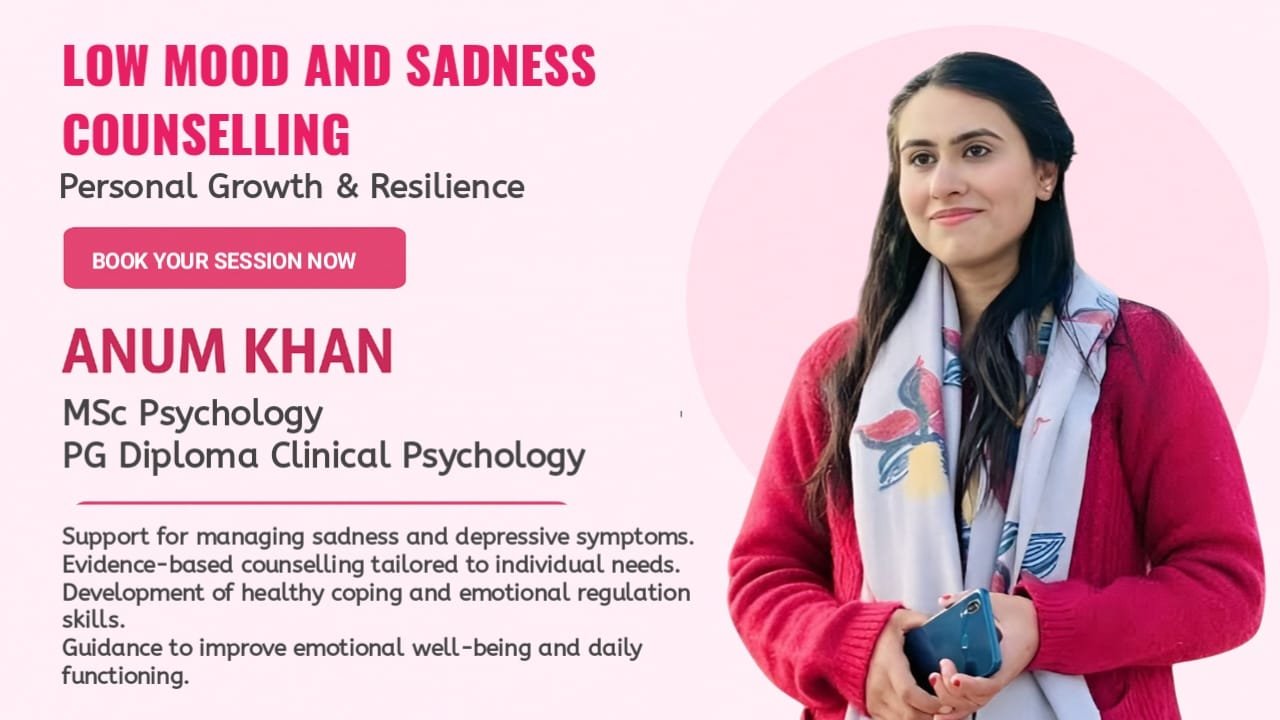
Contact Details
- Persistent feelings of emptiness, sadness, or hopelessness
- Loss of interest or pleasure in activities once enjoyed
- Fatigue, low energy, or feeling slowed down
- Changes in appetite — eating too little or too much
- Difficulty sleeping or sleeping excessively
- Trouble concentrating, making decisions, or remembering
- Withdrawing from friends, family, or social activities
- Feelings of worthlessness or excessive guilt
- Irritability, frustration, or anger over small matters
- Physical aches, headaches, or digestive issues without clear cause
- Thoughts of death or suicide (seek immediate help if present)
Low mood and sadness are assessed through a comprehensive clinical interview that explores duration, intensity, impact on daily life, and personal history. Psychologists often use standardized tools like the PHQ-9 (Patient Health Questionnaire) to measure severity. The assessment also screens for related conditions such as anxiety, grief, or depression, and considers physical health, lifestyle factors, and social support systems.
Cognitive Behavioral Therapy (CBT)
Helps identify and challenge negative thought patterns that maintain low mood, and replaces them with more balanced, realistic perspectives. Behavioral activation encourages re-engagement with meaningful activities.
Interpersonal Therapy (IPT)
Focuses on the connection between mood and relationships, addressing grief, role transitions, interpersonal disputes, and social isolation.
Mindfulness & Acceptance
Mindfulness-based approaches help individuals observe their emotions without judgment, reduce rumination, and cultivate self-compassion.
Lifestyle & Behavioral Changes
Regular physical activity, improved sleep hygiene, nutrition, and building a daily routine are foundational for stabilizing mood.
Medical Referral
When low mood is severe or persistent, a psychologist may coordinate with a psychiatrist or physician regarding medication or further evaluation.
While not all episodes of low mood can be prevented, building protective factors can significantly reduce risk. Strong social connections, regular exercise, adequate sleep, stress management, and early help-seeking when symptoms first appear are all effective. Learning to recognize personal triggers and developing healthy coping strategies builds long-term emotional resilience.
We adopt a compassionate, evidence-based approach that respects each person's unique story and cultural background. In a safe, confidential environment — in person in Islamabad or online across Pakistan — we help individuals navigate low mood, rebuild hope, and achieve lasting psychological wellbeing. Our team integrates CBT, mindfulness, interpersonal therapy, and lifestyle interventions tailored to your needs.