How Does Client-Centered Therapy Work?
Client-centered therapy was developed by psychologist Carl Rogers in the mid-20th century as a radical departure from the directive approaches of his time. Rogers believed that people are inherently good and have an actualizing tendency — a natural drive toward growth and fulfillment. He argued that psychological distress arises when this natural drive is blocked by conditions of worth: the messages we receive that we are only acceptable if we think, feel, or behave in certain ways. In therapy, the focus is on creating a relationship where those conditions are stripped away.
In a session, your therapist will not offer advice or try to steer you in a particular direction. Instead, they offer three core conditions: empathy (truly understanding your perspective), unconditional positive regard (accepting you without judgment), and congruence (being genuine and authentic). Within this supportive environment, you are free to explore your thoughts and feelings, gain a deeper understanding of yourself, and move toward the person you want to become. It's a collaborative process built on trust, and it's effective for a wide range of concerns, from anxiety and depression to relationship issues and personal growth.
Core Principles of Client-Centered Therapy:
- You are the expert on your own life, and the therapist is a companion on your journey
- Healing occurs in a safe, non-judgmental environment of empathy and acceptance
- You have the inner resources needed for growth and self-understanding
- The therapist's role is to facilitate, not to direct or interpret
- The therapeutic relationship itself is the vehicle for change and healing
Services offered
We offer counseling, therapies Techniques, and educational support. Our programs enhance skills, provide emotional guidance, and promote mental health awareness for individuals seeking growth and healing in a safe environment.

Counseling
Professional counseling services to help you overcome psychological challenges.
.webp)
Counsellings with Using Therapeutic Approaches
Evidence-based therapy Informed approaches tailored to your unique needs.

Educational
Informative online lectures, webinars, and workshops to enhance your understanding of mental health.
Meet the Psychologists
Meet the practitioner psychologists in Islamabad, committed to exceptional client care and support to our clients across Pakistan.

Ms. Anum khan
I am Anum Khan, an experience licensed Psychologist in Islamabad and founder of Psychological Wellbeing, offering online counseling using therapy approaches.
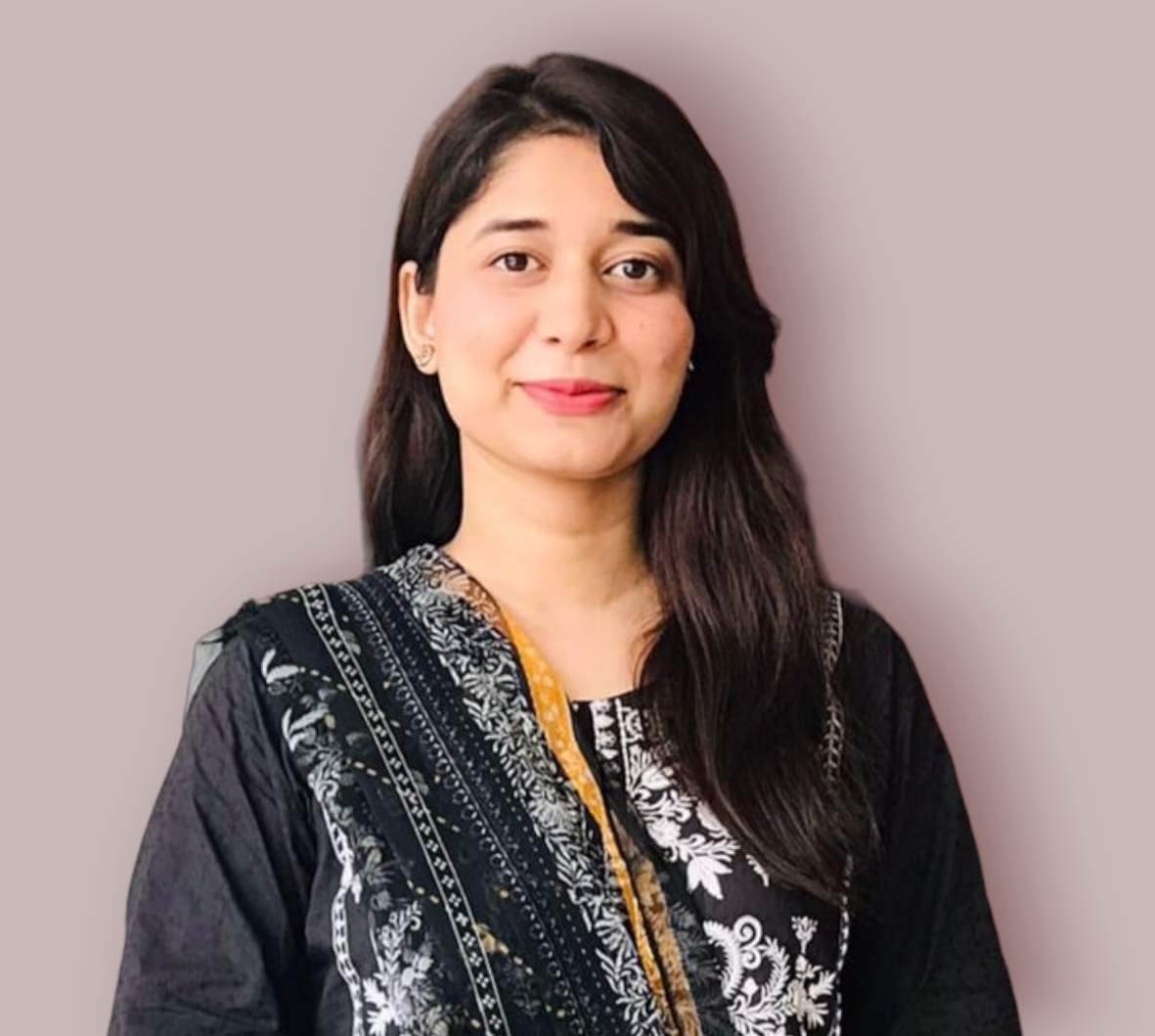
Ms. Aqsa Ijaz
Ms. Aqsa is a counseling psychologist specializing in mental health and wellbeing, including individual counseling and stress management and more..

Ms. Mehak Fatima
Ms. Mehak Fatima is a psychologist in Pakistan known for her exceptional Counseling Skills..
Meet the supportive Team
Meet the supportive Team .
Mr. Atif Zia
Mr. Atif Zia provides legal advice to the Psychologists and its clients, ensuring they receive precise guidance on legal matters and effective solutions.
Why Choose Us For Client-Centered Therapy
At Psychological Wellbeing, we combine the empathic, non-directive principles of person-centered therapy with a deep understanding of Pakistani culture and family dynamics. Here's why clients across Pakistan choose us:
Empathic, Non-Judgmental Therapists
Our therapists are trained to provide the core conditions of empathy, unconditional positive regard, and congruence, creating a truly safe space for self-exploration.
Personalized & Client-Led Care
You set the agenda. Our approach respects your autonomy and trusts that you know what's best for you, with your therapist as a supportive partner.
Confidential and Trustworthy Support
We protect your privacy so you can be open and honest without fear of judgment, which is essential for the person-centered process.
Flexible Access Across Pakistan
Whether you're in a major city or a smaller town, our online sessions bring the same quality of client-centered therapy directly to you.
Real, Lasting Change
Clients consistently report greater self-acceptance, less anxiety, and more authentic relationships after working through this empowering approach.
Frequently Asked Questions
Client-centered therapy, also called person-centered therapy, is a humanistic approach developed by Carl Rogers. It focuses on creating a supportive environment where you can explore your feelings and find your own solutions, with the therapist providing empathy, unconditional positive regard, and genuineness.
If you're looking for a non-directive, empathic approach that trusts your inner wisdom, client-centered therapy may be a good fit. It's especially helpful for those who want to build self-acceptance, explore their identity, or feel heard and understood.
Yes, we provide secure, confidential client-centered therapy sessions for clients in Islamabad, Rawalpindi, Lahore, Karachi, Faisalabad, Peshawar, Multan, and other cities across Pakistan, as well as for Pakistanis abroad, through video consultations.
A typical session lasts between 50 minutes and one hour. The length may be adjusted depending on individual needs and the specific focus of the session.
This varies depending on your personal goals and the depth of the issues you wish to explore. Some clients find significant benefit in a few sessions, while others choose longer-term therapy to support deeper personal growth.
Not at all. Client-centered therapy is a humanistic approach that can benefit anyone seeking self-understanding, personal growth, or support with life's challenges, regardless of whether they have a formal diagnosis.
Yes, every session is completely confidential. We follow strict ethical guidelines to protect your privacy and build the trust this work depends on.
Booking is simple. Contact us via phone or WhatsApp at [+923021900145] or email at info@thepsychwellbeing.com. We also offer online appointment scheduling for your convenience.
Our Recent Blogs:

Building and Maintaining Healthy Relationships: A Guide for Couples
Healthy relationships are the cornerstone of a fulfilling and balanced life. Whether...

The Power of Mindfulness Meditation for Mental Well-being
In today's fast-paced world, where stress and anxiety often take center stage in our lives,..

Marital Conflict Resolution in Pakistan: Legal and Mediation Options for Couples
In the rich tapestry of Pakistani society, marriages are not only a union of two individuals but..
Contact Us
Contact Details
Client-Centered Therapy vs. CBT vs. Other Approaches in Pakistan
People searching for therapy in Pakistan often wonder about the differences between client-centered therapy, CBT, and other approaches. Here's a simple guide to help you understand what each offers.
1. Client-Centered Therapy in Pakistan
This humanistic approach, developed by Carl Rogers, is built on the belief that you have the capacity for self-understanding and growth. The therapist provides a supportive, non-judgmental environment, but does not direct the session. You set the agenda.
- Services Provided:
- Exploring feelings and experiences in a safe space.
- Building self-acceptance and authenticity.
- Gaining clarity and confidence in your own decisions.
- Where It Is Offered: Private clinics and online therapy services across Pakistan.
2. Cognitive Behavioral Therapy (CBT) in Pakistan
CBT is a more directive, structured approach that focuses on identifying and changing unhelpful thought patterns and behaviors. It is highly effective for specific issues like anxiety, depression, and phobias.
- Services Provided:
- Identifying negative thought patterns and beliefs.
- Learning practical coping skills and strategies.
- Setting specific goals and working toward them systematically.
- Where It Is Offered: Counseling centers, private clinics, and online platforms in Pakistan.
3. Other Approaches (e.g., Psychodynamic, Mindfulness)
Other therapies, like psychodynamic therapy, explore how past experiences influence your present, while mindfulness-based approaches focus on cultivating present-moment awareness. Many therapists integrate elements from different approaches.
- Services Provided:
- Exploring unconscious patterns (psychodynamic).
- Developing mindfulness and stress-reduction skills.
- Integrating body and mind for holistic wellbeing.
- Where It Is Offered: Specialized clinics and online therapy platforms.
Which One Is Right for You?
As a general guide:
- If you want a safe, non-directive space to explore your feelings and build self-acceptance, client-centered therapy is a powerful choice.
- If you prefer a structured, skills-based approach to tackle a specific issue like anxiety or phobias, CBT may be a better fit.
- If you're curious about deeper, unconscious patterns or want to integrate mindfulness into your healing, other approaches may be worth exploring.
Whichever path you choose, seeking professional support in Pakistan is a meaningful step toward greater wellbeing and a more authentic life.
When Should You See a Client-Centered Therapist in Pakistan?
If you often feel misunderstood, or find it hard to accept yourself, client-centered therapy can help you build a more compassionate relationship with yourself. It's a great fit if you're going through a period of self-doubt, major life transition, or simply want a deeper understanding of who you are.
If you struggle with low self-worth, anxiety, or depression that feels tied to not being "good enough," this approach can be profoundly healing. The empathy and acceptance you receive in therapy can counteract the harsh inner critic that many of us carry.
If you feel stuck in your relationships, or find yourself repeating patterns that leave you feeling unfulfilled, client-centered therapy can help you explore these dynamics in a safe space, leading to more authentic connections.
Parents who want to foster a more open and honest relationship with their children may also benefit from the principles of person-centered therapy, which emphasizes empathy and unconditional positive regard.
If you're simply curious about personal growth and want to live a more authentic life, this therapy offers a supportive environment to explore what that means for you.
In short, if you're seeking a therapy that trusts your inner wisdom and offers a deeply supportive relationship, client-centered therapy is a practical and empowering step toward change.
How to Choose the Best Client-Centered Therapist Near You in Pakistan
Whether you're in Islamabad, Lahore, Karachi, Rawalpindi, Faisalabad, Peshawar, Multan, or a smaller city, thepsychwellbeing.com makes it easy to find and book a session with a qualified client-centered therapist. Simply reach out through WhatsApp or the contact form below to get matched with a therapist suited to your needs.
When choosing a client-centered therapist, keep the following in mind:
- Qualifications: Look for a licensed psychologist or clinical counselor with training or experience in humanistic or person-centered approaches.
- Experience: Ask whether they have worked with concerns similar to yours, such as low self-esteem, anxiety, or relationship issues.
- Approach: Understand how they structure sessions and how they embody the core conditions of empathy, unconditional positive regard, and congruence.
- Accessibility: Decide whether you'd prefer in-person sessions in your city or the flexibility of online video sessions.
- Comfort & Trust: Since client-centered therapy is built on the therapeutic relationship, it's essential that you feel safe and understood by your therapist from the very first session.